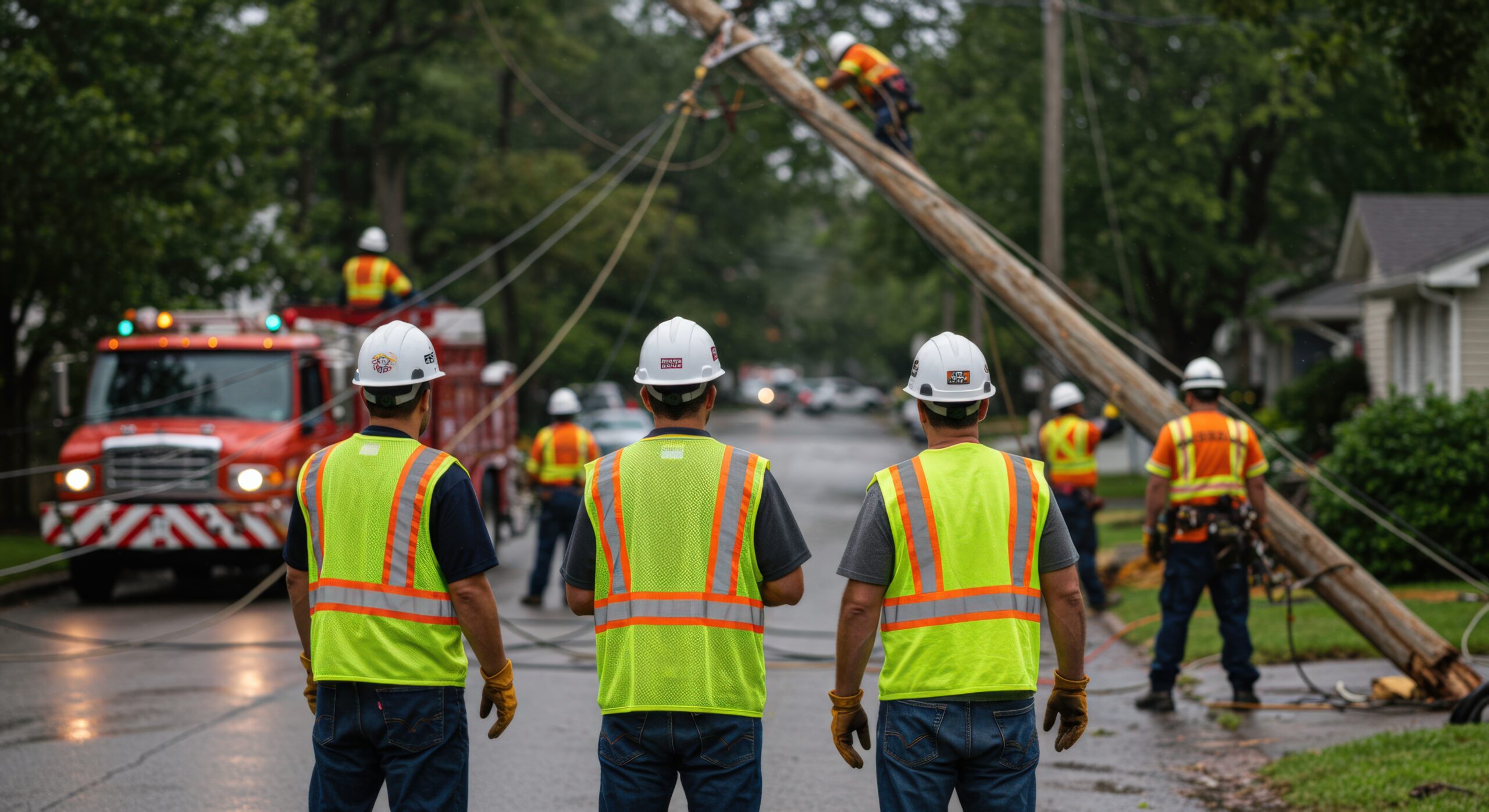




Utility workers assessing fallen power pole

Connected Safety for High-Risk Electrical Work

Safeguard helps leading utilities and infrastructure companies prevent incidents and build the connected safety foundation for the next generation.

Navigator™ Software, Compass® wearables, and Emergency Response Services combine to detect electrical threats in real time and coordinate help in seconds.

High Risk
Intervention Recommended

Join the 100,000+ field workers and leading energy, telecom and infrastructure companies that trust Safeguard's connected safety solutions.

What's at Stake

If you cannot see what is happening in the field, you cannot prevent the next incident.

Electrical work is unforgiving. Without real-time visibility, you only hear about hazards and incidents after they have already happened.

Without Safeguard

When leaders lack real-time visibility into field conditions, safety becomes reactive instead of preventive. Electrical work carries higher risks than nearly any other profession:

Serious injuries and fatalities are not improving

Life-threatening injuries and deaths occur more often than in most other lines of work

Click to learn more

Despite decades of safety training and improved PPE, electrical work remains one of the most dangerous professions. The statistics haven't improved significantly because traditional safety measures are reactive—they protect workers after hazards are identified, not before. Without real-time detection of electrical energy, arc flash conditions, and other hidden dangers, workers remain vulnerable to incidents that could be prevented with better visibility and early warning systems.

$41,000

Average medical cost per serious injury

Click to learn more

A serious workplace injury carries an average medical cost of about $41,000, before factoring in broader operational impacts. Total exposure often rises significantly when organizations add workers' compensation, lost productivity, equipment disruption, administrative load, and legal follow-up. For utilities and field operations, one major incident can ripple into service delays, elevated risk profile, and long-tail financial consequences.

$15,625 to $156,259+

OSHA penalties per violation and repeat offense

Click to learn more

Regulatory penalties can escalate quickly: OSHA fines can reach $15,625 per violation, and repeat or willful violations can exceed $156,259. These penalties are often only one part of the total impact when incidents trigger investigations, legal costs, and prolonged corrective action programs. Preventing events before they occur is materially less expensive than managing compliance fallout afterward.

Hidden until it's too late

Without connected safety, hazards remain invisible until it's too late—and every shift carries unnecessary risk

Click to learn more

Traditional safety protocols rely on visual inspections, lockout/tagout procedures, and worker awareness—but these methods can't detect hidden electrical energy, buried lines, or arc flash conditions that aren't visible to the naked eye. Workers may not realize they're in danger until they're already in contact with energized equipment. By the time an incident occurs, it's too late. Connected safety technology provides real-time detection and alerts, giving workers and supervisors the visibility they need to prevent incidents before they happen.

With Safeguard

There is a better way to protect your crews. Safeguard bridges the gap between prevention and response. With real-time field intelligence, companies can:

Protect against OSHA's Big Four

Electrocution, falls, struck-by, and caught-in/between

Click to learn more

OSHA's "Fatal Four" account for more than half of all construction fatalities, and electrical work is particularly vulnerable to these hazards. Safeguard's connected safety platform provides comprehensive protection against all four: real-time electrical energy detection prevents electrocution, impact sensors detect falls and struck-by incidents, and worker-down alerts ensure rapid response for caught-in/between situations. By addressing all four major hazard categories with a single integrated system, Safeguard provides comprehensive protection that goes beyond traditional PPE.

Detect hidden electrical threats

Identify electrical hazards before it is too late

Click to learn more

Safeguard's Compass Pro wearable device continuously monitors for electrical energy, detecting AC voltage from buried lines, overhead cables, and energized equipment that may not be visible to workers. The device provides real-time alerts when workers approach electrical hazards, giving them time to stop, assess, and take appropriate safety measures. This early detection capability is especially critical when working near underground utilities, in confined spaces, or around equipment where electrical energy may not be immediately apparent.

Automatically identify incidents

Detect slips, falls, impacts, and worker-down events

Click to learn more

Safeguard's intelligent wearables use advanced motion sensors and AI algorithms to automatically detect and classify safety incidents in real time. The system can distinguish between slips, falls, impacts, and worker-down events, immediately alerting supervisors and emergency response teams with precise location data and incident type. This automatic detection eliminates the delay between an incident occurring and help arriving, which can be critical in remote locations or when a worker is unable to call for help. The system also captures detailed incident data for post-event analysis and safety program improvement.

Move from lagging to leading

Transform from lagging indicators to leading safety insights

Click to learn more

Traditional safety metrics focus on lagging indicators—incidents that have already occurred, injuries that have already happened, and fatalities that cannot be undone. Safeguard shifts the focus to leading indicators: real-time hazard detection, near-miss identification, and proactive risk mitigation. By analyzing patterns in hazard detection, worker behavior, and environmental conditions, Safeguard helps safety leaders identify trends and implement preventive measures before incidents occur. This data-driven approach enables continuous improvement and helps organizations build a true culture of prevention rather than reaction.

Built for Leaders Who Refuse to Accept Preventable Injuries

You want to be the kind of leader who keeps every worker protected around dangerous electrical hazards. To do that, you need real-time visibility into what's happening in the field—so you can prevent incidents and respond immediately when something goes wrong.

The challenge is that traditional PPE and procedures can't always detect hidden electrical energy, arc flash conditions, or automatically alert you when a worker slips, falls, or suffers a serious impact. That leaves you exposed—and one incident away from a tragedy that might have been preventable.

That's exactly what Compass intelligent wearables and the Navigator connected safety platform are built for. Compass detects electrical threats, slips and falls, impacts, and worker-down events. Navigator brings every alert into one place so teams can see what's happening, coordinate response, and learn from every incident.

Connected Safety Solutions

Safeguard empowers organizations to build resilient workforces with connected safety solutions that drive proven impact.

That means fewer surprises, safer decisions in the field, and faster coordination when seconds matter—so you can reduce risk, strengthen resilience, and keep communities running.

Hazard Detection

Surface high-risk conditions and events early with real-time monitoring.

Learn more →

Accident Prevention

Help crews identify hazards and take action at the point of work.

Learn more →

Emergency Response

Accelerate alerts, coordination, and assistance when seconds matter.

Learn more →

Document, Analyze & Improve

Log all events with timestamps and geolocation to guide continuous safety improvements.

Learn more →
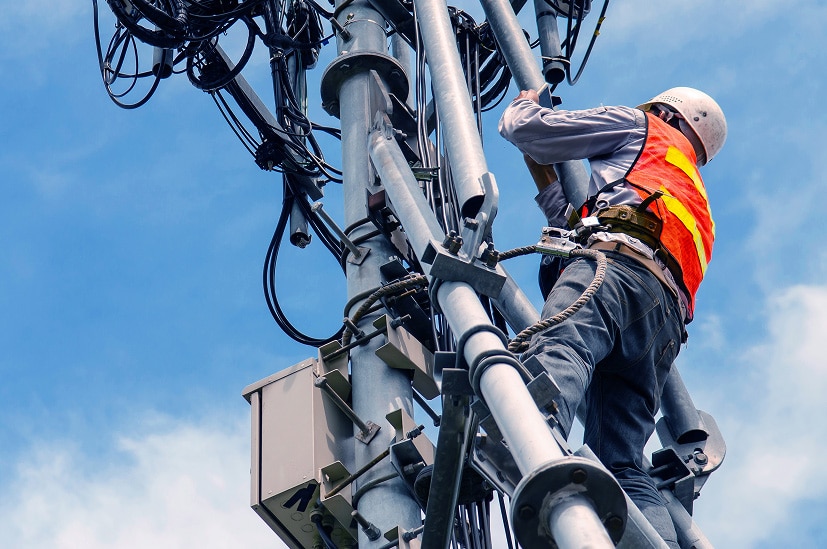
Utility worker in the field

A Clear Path to Connected Safety

Utility worker in the field
1

Start with your hazards

You share your crews, risks, and safety goals with our team.

During this initial phase, you work with our team to review key risk factors, evaluate your current safety protocols, and identify hazards specific to your operations. Your safety leaders partner with Safeguard to outline organizational structure, work environments, and safety objectives. This collaborative approach ensures that your most critical safety challenges are addressed with tailored solutions.

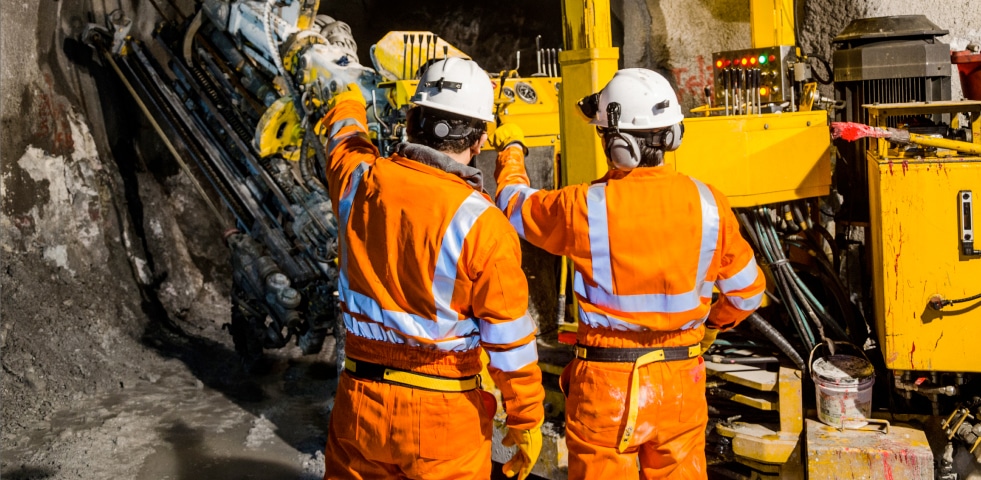
Mining workers in the field
2

Prove it in the field

You run a focused pilot to see Safeguard working with your own teams and measure real impact.

The pilot program lets you experience Safeguard's technology with a select group of your field teams. You receive comprehensive training, set up real-time monitoring, and track key safety metrics. You'll see immediate value through reduced near-misses, faster hazard detection, and improved safety compliance. The pilot typically runs for 30-90 days, giving you concrete data to evaluate ROI and safety improvements before full deployment.

Scaling safety solutions
3

Scale with confidence

You deploy Safeguard across your organization and embed it into daily safety and emergency response procedures.

Once you've validated the value through the pilot, you scale with dedicated implementation support, comprehensive training programs, and ongoing optimization. Safeguard integrates into your existing workflows, safety management systems, and emergency response protocols. With Safeguard's dedicated support team, you receive continuous support, regular check-ins, and data analysis to ensure you're maximizing safety outcomes and operational efficiency across all teams and locations.

Customer Stories

By helping prevent near-misses, strengthen safety compliance, and turn real-time data into action, Safeguard empowers organizations to make proactive, informed decisions. These outcomes lead to safer, more resilient operations that protect both people and the critical infrastructure they support. Hear it directly from our customers:

Electric utility worker with safety equipment
We had a tech working solo near a buried line. The Compass Pro picked up the voltage he couldn't see — and gave him enough time to back off. That alert saved his life.

— Field Supervisor, Leading Electric Cooperative
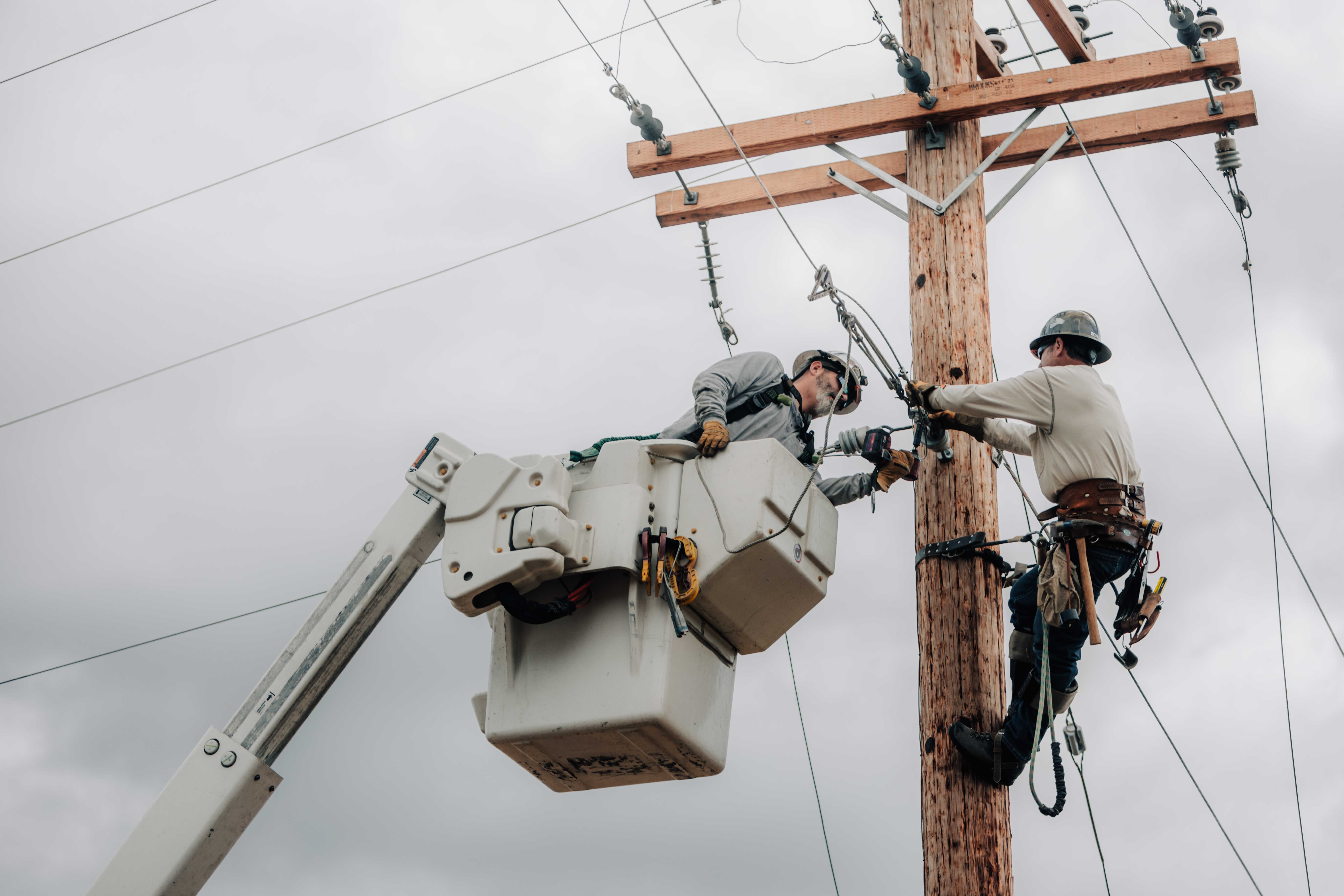
Utility workers assessing fallen power pole
We had a fatality five years ago that still haunts this team. If we'd had this system, then ... it would've ended differently.

— Regional Director, Major Midwestern Utility
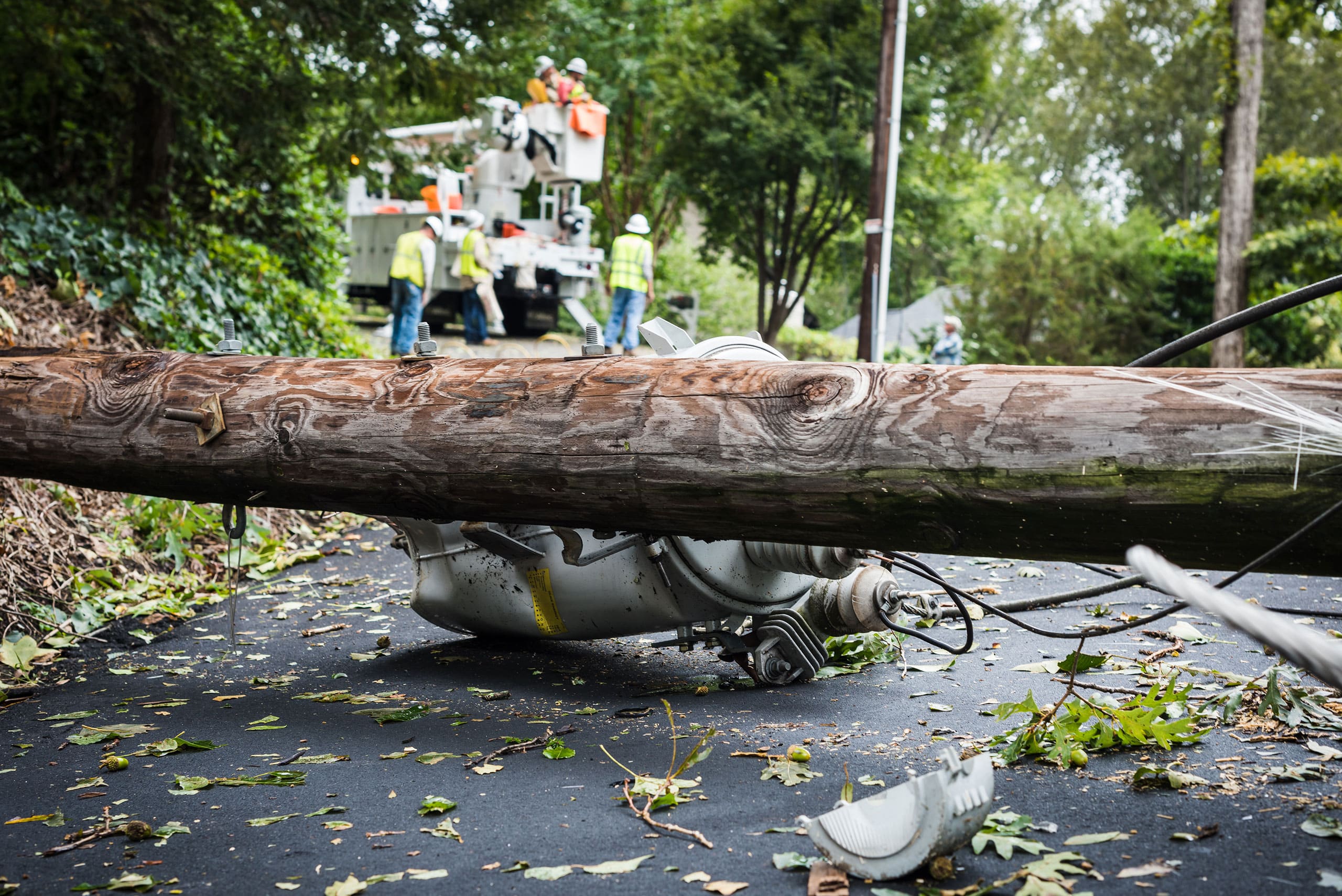
Emergency response to fallen powerline
There are a hundred stories where the Compass Pro almost had to save a life — and that's the point. It helps prevent the worst from ever happening.

— Director of Safety, Major National Telecom Provider

Successful safety outcomes

What Success Looks Like

Utility worker in the field

Fewer serious injuries and near misses
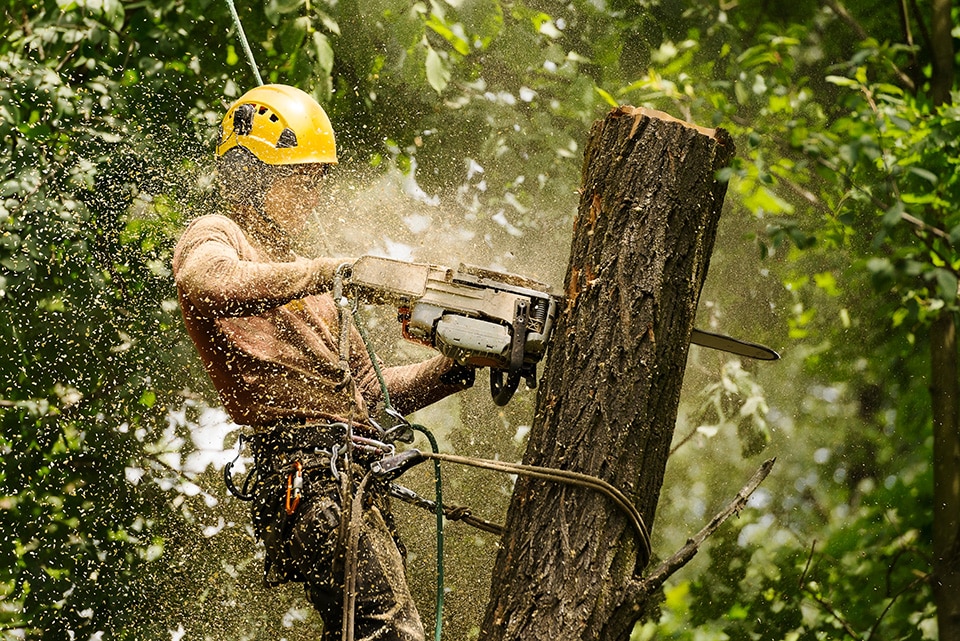
Arborist worker

Faster emergency response when incidents occur

Fallen powerline emergency response

Better visibility for safety leaders and supervisors

Data-driven insights

Data-driven insights that continuously improve safety programs

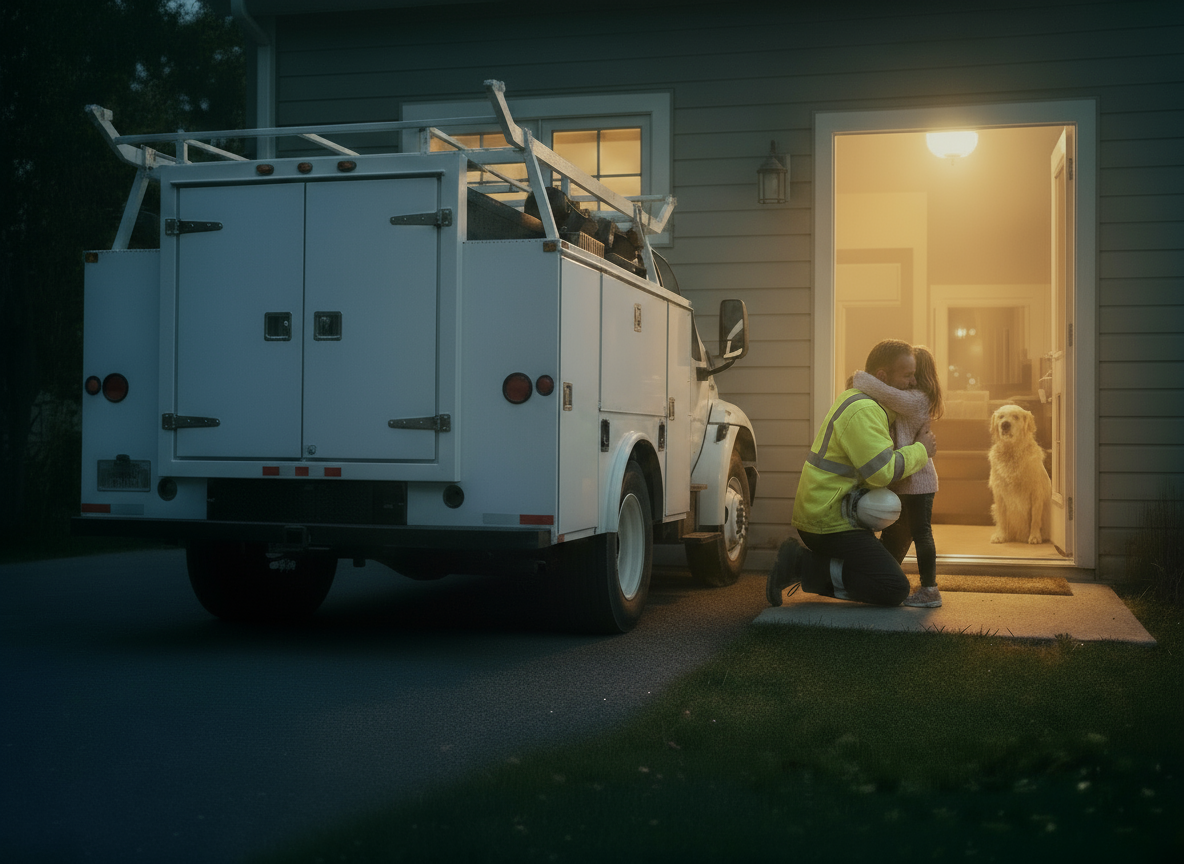
Workers going home safely

More workers going home safely—every shift

Operational Insights

Caught in the Storm: How Field Workers Prepare for Natural Disasters
Blog

Caught in the Storm: How Field Workers Prepare for Natural Disasters

Read →
Fall Response On-Site: How COMPASS Pro is Changing Construction Safety
Blog

Fall Response On-Site: How COMPASS Pro is Changing Construction Safety

Read →
From Hardhats to High-tech: The Evolution of Construction Safety
Blog

From Hardhats to High-tech: The Evolution of Construction Safety

Read →

Every Safe Return Home is a Promise Kept

That's the promise you make to your teams and their families. We help you keep it.